

When someone is in the hospital, words carry extra weight. A care package is already a quiet way of saying, “I’m here,” but the note tucked inside can become the part they reread at 2 a.m. under fluorescent lights.
I like phrases that feel steady, not sparkly. Not the kind that insist everything is fine, but the kind that offer companionship, dignity, and a little oxygen. Below is a supportive mix of sayings you can handwrite on a card, add to a tag, or tuck into a small envelope inside your box.
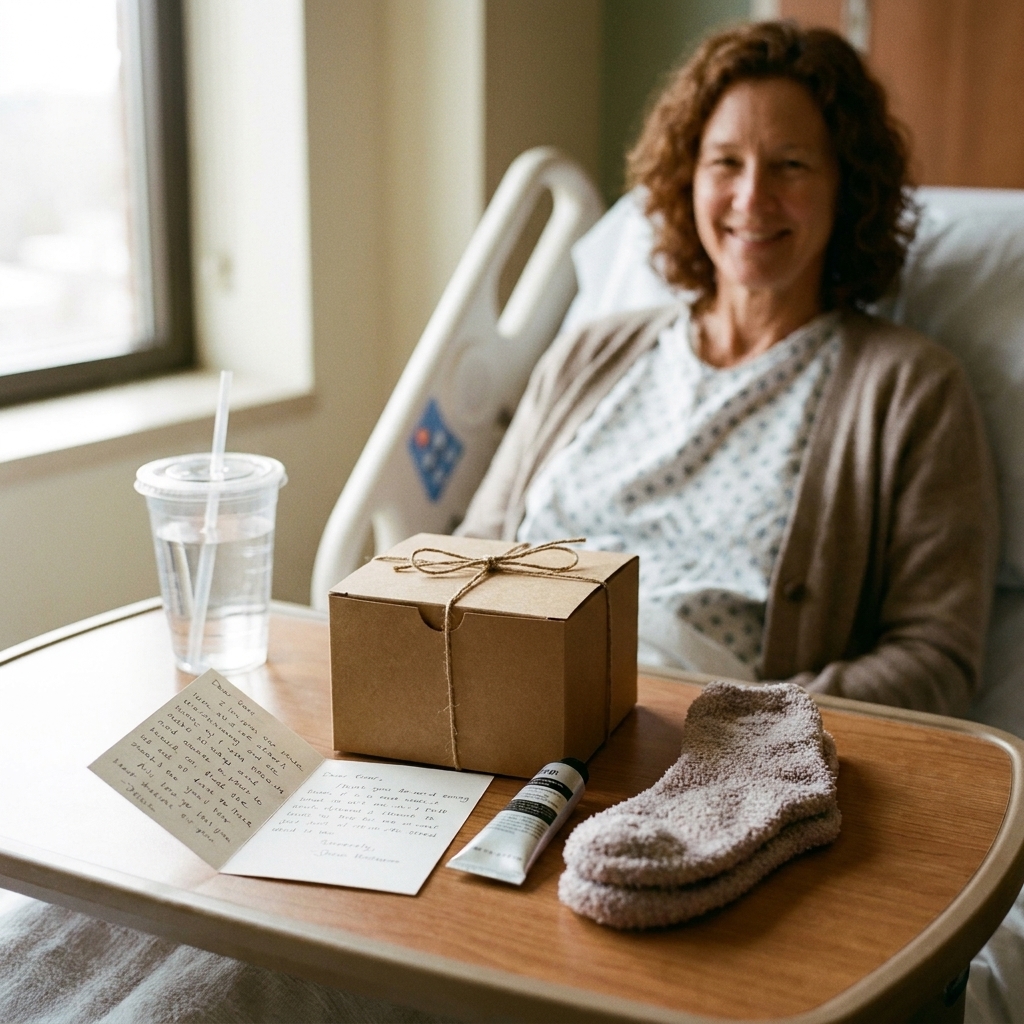
What to aim for (and what to skip)
If you want your message to land gently, these three principles help:
- Name reality. “This is hard” is often more comforting than “You’ve got this.”
- Offer presence, not predictions. Avoid promising outcomes you cannot know.
- Keep their agency intact. Let them feel what they feel without correcting it.
On the “skip” list: anything that pressures gratitude, forces cheer, or implies suffering is a lesson. If you want more on that nuance, my guide on sympathy vs. empathy for care packages can help you choose wording that feels supportive without drifting into platitudes.
A quick hospital-friendly reminder
Hospitals can be sensitive environments, so simple is usually best. If you are adding extras, skip strong scents (perfume, heavily scented lotion), and check unit rules before sending flowers or balloons. Keep your note short enough to read when they are tired, and avoid questions that ask for an immediate update. “No need to respond” is a kindness.
Short, resilient sayings (great for tags and small cards)
- One step. One breath. One hour at a time.
- I’m with you in this, even from here.
- You do not have to be brave today.
- Rest is productive right now.
- It’s okay if today is heavy.
- We can do hard things, slowly.
- Your only job is to get through the next little piece.
- You are not behind. You are healing.
- We’re taking this as it comes.
- I’m rooting for you, no pressure attached.
- Small wins still count.
- Let the care team do their jobs, and let the minutes carry you.
- This moment is not the whole story.
- Here with you, steady and true.
- You are allowed to rest without earning it.
- However you feel today is allowed.
- Not alone in this.
- I’m holding hope, and I’m holding space.
- Sending calm, not advice.
- I’ll keep showing up when I can.
Gentle encouragement without promises
These work well when you want to offer strength without predicting the future.
- I believe in your ability to get through today.
- You have already handled so much.
- You’re allowed to receive care and kindness.
- You don’t have to look strong to be strong.
- You can be scared and still be steady.
- We’ll adjust. We’ll adapt. We’ll keep going.
- I’m proud of you for continuing, even quietly.
- I’m here with you in this, as long as you want me here.
- I’m here for the real version of this, not the polished one.
- We can hold hope and honesty at the same time.
- Your pace is the right pace.
- It makes sense that you’re tired.
- There is no “right” way to feel in a hospital room.
- You’re still you, even in this setting.
- I’m sending steadiness for the waiting parts.
Comforting phrases for pain, fatigue, or long recoveries
When someone is dealing with chronic illness, post-op pain, or a drawn-out hospital stay, I like language that honors endurance.
- This is a lot. I’m not minimizing it.
- I wish I could make this easier. I’m here with you anyway.
- You don’t have to “stay positive” around me.
- I’m sorry you’re hurting. I’m staying close.
- May you get a pocket of relief today.
- If all you did today was survive, that counts.
- Let your body take the time it takes.
- I’m thinking of you during the hard hours.
- There’s no gold star for pushing through pain.
- May your rest be deep and uninterrupted.
- Healing is not linear, and you are not failing.
- I’m here for the boring days and the brutal ones.
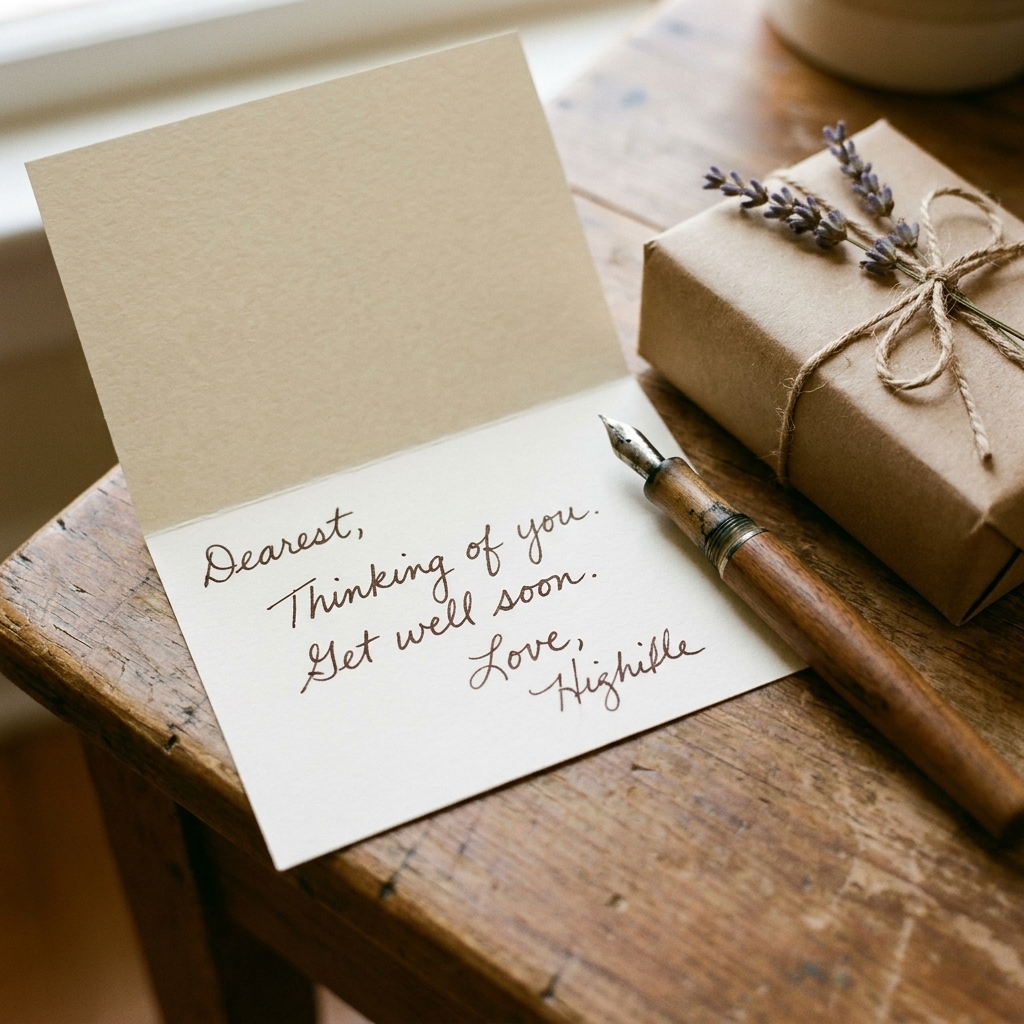
Sayings that center dignity and choice
Hospitals can make people feel powerless. These phrases give a little control back.
- You get to set the tone today.
- You can say no. You can ask questions. You can take your time.
- You don’t owe anyone cheerfulness.
- Your feelings are valid information.
- It’s okay to change your mind about what you need.
- If you want company, I’m here. If you want quiet, I’m here too.
- You are more than your chart.
- You do not need to perform wellness.
- It’s okay to ask for another blanket, another explanation, another minute.
- You deserve to be spoken to with patience and respect.
For scary tests, procedures, or uncertain news
Sometimes the kindest note is the one that does not try to “fix” uncertainty.
- I’m thinking of you as you wait for answers.
- One appointment at a time. One result at a time.
- No matter what you hear, you don’t have to face it by yourself.
- I’m holding your hand in my mind today.
- I’m sorry this is so uncertain. I’m staying present.
- May your care team be thorough and kind.
- May you feel informed, respected, and safe.
- I’m here after the test, too.
- We can be hopeful without rushing the unknown.
- I’m with you in the in-between.
If you do not know what to say, use this simple note formula
When I’m stuck, I write a three-sentence note that does not strain for inspiration:
- Sentence 1: Name the moment. “I’m sorry you’re in the hospital right now.”
- Sentence 2: Offer steady presence. “You’re on my mind every day, and I’m here in whatever ways I can be.”
- Sentence 3: Offer one specific, low-pressure support. “If you want, I can drop off fresh socks on Thursday or just sit and watch a show with you.”
If you’re writing on something tiny like a tag, I also have tips for spacing and word choice in how to write clear words for a small sign. The same “less but clearer” principle applies beautifully to cards.
Messages you can tailor by relationship
For a close friend
- You do not have to be upbeat with me. I can handle the truth.
- Text me a single word and I’ll know what you need: ride, food, quiet, distraction.
- I love you. I’m here.
For a coworker or acquaintance
- Thinking of you and wishing you steadier days ahead.
- No need to respond. Just sending support.
- I hope you feel cared for and well supported.
For a partner or family member
- I’m here. I’ll keep handling what I can.
- You can lean on me. You do not have to manage this alone.
- We’ll take this hour by hour, together.
For a child or teen
- This place can feel weird. I’m right here with you.
- You’re doing a good job, even when it feels scary.
- We can get through today, then we’ll do tomorrow.
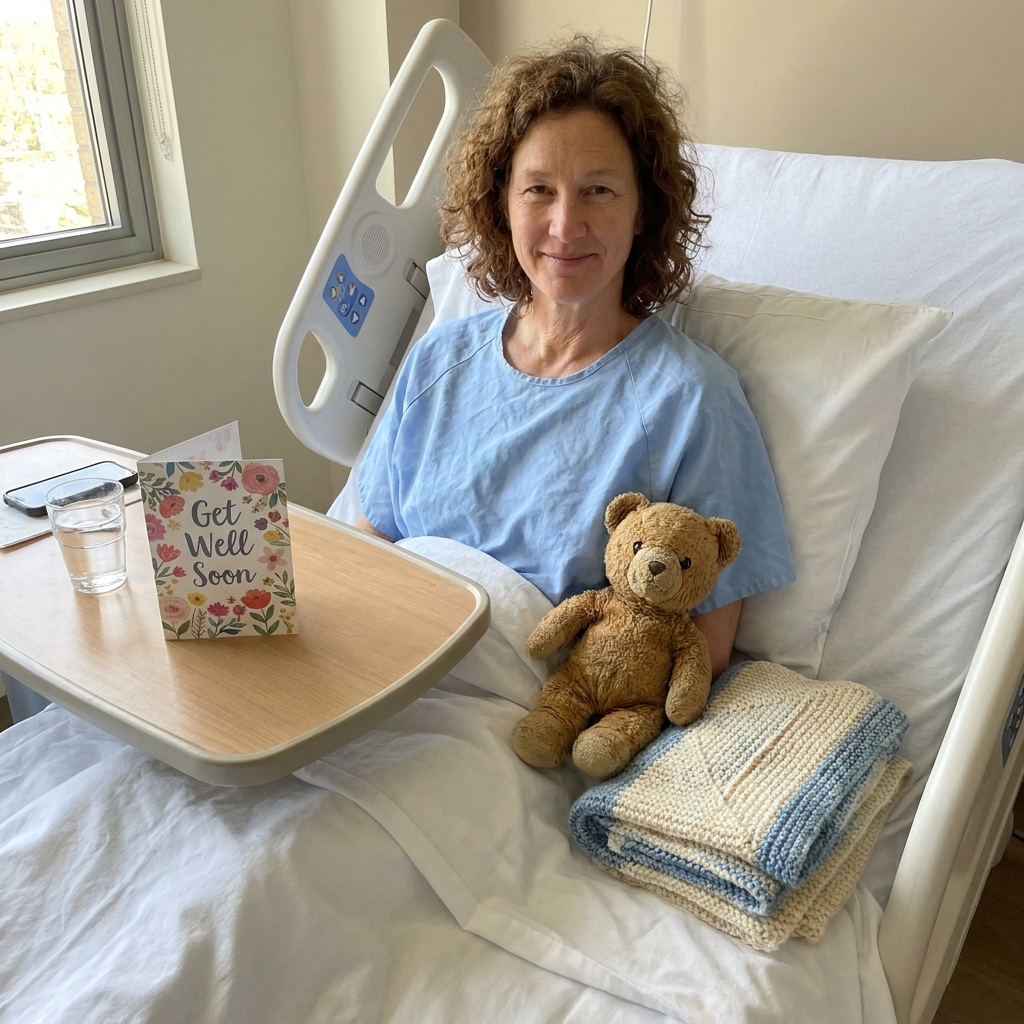
Mini phrase bank (for labels, tags, and tiny notes)
If you’re tying a ribbon around a box or adding a sticker seal, these short options fit almost anywhere:
- Here with you.
- One day at a time.
- No pressure to reply.
- Rest, rest, rest.
- Holding hope.
- Holding space.
- Soft landing.
- Steady support.
- You’re not alone in this.
- I’m staying close.
- Gentle thoughts.
- Breathing with you.
A few wording traps to avoid
- “Everything happens for a reason.” It can feel like a dismissal.
- “At least…” Almost always lands as minimization.
- “You’ll be fine.” It can sound like pressure to reassure you back.
- “God never gives you more than you can handle.” Even for religious recipients, this can sting. If faith language is welcome, keep it simple and consent-based: “I’m praying for you” can be enough.
- “Stay strong.” Consider swapping to: “You don’t have to be strong for me.”
If you want a more general collection of phrases for maker projects, you can browse Quotes and Sayings on AllWords.
Quick FAQ
What should I write if I am not very close to the person?
Keep it brief and kind, with no request for updates. Try: “Thinking of you and wishing you a smooth recovery. No need to respond.”
Is it okay to be funny?
Only if you are confident it matches your relationship and their personality. In hospitals, even mild humor can be hit-or-miss depending on pain, meds, and stress. If you’re unsure, choose warmth over wit.
Can I include a quote from a famous author?
You can, but I usually recommend using your own voice instead. A simple, honest sentence from you is often the most rereadable thing in the box.