

I have a small, slightly embarrassing confession: I can spend longer choosing one word for a banner than I spend actually cutting the vinyl.
“Joy” and “happiness” are a classic example. They both point toward something good, warm, and celebratory. But they do not feel the same in the hand, especially when you are putting them on a birthday backdrop, a wedding welcome sign, or a baby shower cake topper. One word often feels like a spark. The other often feels like sunshine that lasts.
One quick note before we get into it: I use “signage” as an umbrella term here for banners, backdrops, welcome signs, cake toppers, and anything else where a few words have to carry the mood.
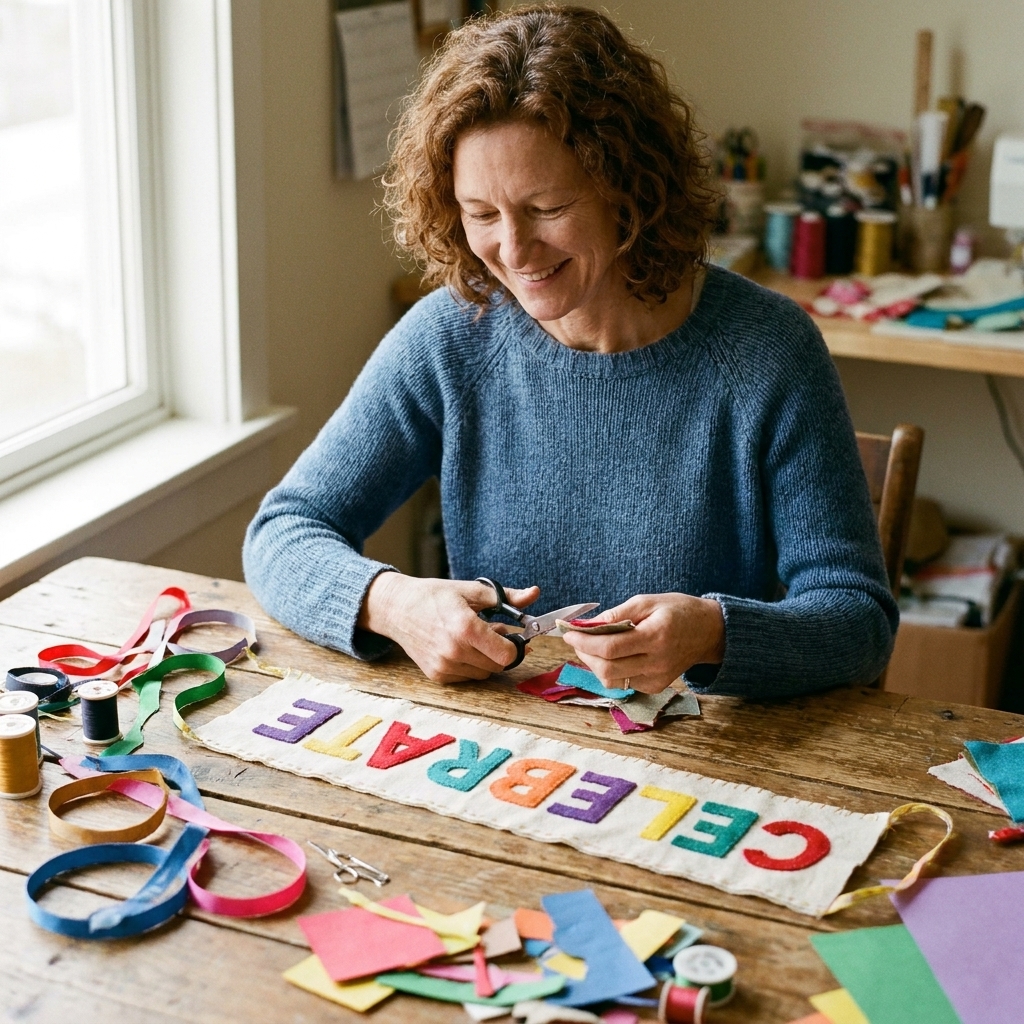
The quick difference
If you only remember one thing, make it this:
- Joy often feels bright, immediate, and a little overflowing. It reads like a burst, a delighted yes, a shared squeal.
- Happiness often feels steady, content, and roomy. It reads like wellbeing, satisfaction, and a life that fits.
That is why “joy” can look perfect in big letters above a dessert table, while “happiness” can sound right in a toast, a card, or a longer message where you have space to say what you mean.
For a concrete comparison:
- Backdrop headline: JOY
- Toast line: “Wishing you a lifetime of happiness together.”
What “joy” says
Joy has a little bit of lift to it. It tends to feel:
- Active: something you are experiencing right now
- Expressive: hard to keep inside
- Shared: it easily becomes communal
On decor, “joy” reads well because banners and backdrops are doing the job of amplifying a moment. They are not trying to explain your whole life. They are trying to make the room feel like a celebration.
Best uses for “joy”
- Fast, high-energy moments: surprise parties, graduation entrances, New Year’s Eve
- Photo backdrops: where one word needs to carry the vibe
- Seasonal celebrations: “joy” pairs naturally with festive styling
Joy phrases for big lettering
- Choose Joy
- Joyful Day
- Oh What Joy
- Pure Joy
- Joy to the Ones We Love
- Bring the Joy
A practical note from someone who has weeded far too many tiny counters in script fonts: “joy” is short and balanced, and in most simple fonts it tends to cut cleanly. It is a genuinely maker-friendly word.
What “happiness” says
Happiness is warmer and more settled. It tends to feel:
- Durable: not just a burst, but a state
- Personal: tied to someone’s life and values
- Reflective: it can imply gratitude and perspective
On party decor, “happiness” often shines when you are not only celebrating the event, but the life around it. Think anniversaries, long friendships, retirements, or milestone birthdays where the mood is joyful but also a little tender.
Best uses for “happiness”
- Milestone parties: 40th, 60th, 80th birthdays, retirement
- Wedding day messaging: when you want future-forward warmth
- Cards, guest books, and longer quotes: where the word can breathe
Happiness phrases that feel sincere
- Wishing You So Much Happiness
- Here’s to a Lifetime of Happiness
- May Your Home Hold Happiness
- Happiness Looks Good on You
- All the Happiness in the World
Design detail: “happiness” is longer, which can be a gift. It fills space on a wide banner. It also asks for legibility. If you are cutting it in vinyl, it often helps to choose a simpler font or bump up the letter height compared to what you would use for “joy.”
Joy vs. happiness by event
When I help artists write signage for events, I often start with a single question: are we celebrating a moment or a chapter? That tends to sort these two words quickly.
| Event | “Joy” tends to fit when… | “Happiness” tends to fit when… |
|---|---|---|
| Birthday party | It is playful, bright, and present-tense | It is a milestone or a heartfelt family gathering |
| Wedding | You want sparkle, delight, and photo energy | You want lasting warmth and future wishes |
| Baby shower | You want sweet excitement and anticipation | You want gentle wellbeing and a welcome-to-life tone |
| Graduation | You want triumphant, high-energy celebration | You want proud, grounded wishes for what comes next |
| Anniversary | You are highlighting the day’s celebration | You are highlighting the life built together |
| Holiday party | You want instant festive cheer that reads from across the room | You want a cozy, content message that feels like home |
How to choose
1) Pick the vibe
Joy is high sparkle. Happiness is warm glow. Neither is better. You are just matching the room.
2) Match the verb
Some verbs naturally tug one direction:
- Joy: bring, choose, share, feel, spark, celebrate
- Happiness: wish, find, build, grow, return to, hold
If your phrase is “Wishing you ___,” happiness often sounds more natural. If your phrase is “Bring the ___,” joy tends to snap into place.
3) Say it out loud
I mean it. Stand in your kitchen and read the banner phrase in your normal voice. If it sounds like something you would never say to a friend, tweak it. The best party decor feels human, not manufactured.
If you want a broader checklist for tightening wording on decor, you might like Write Clear Words for a Small Sign.
Typography tips
Words are meaning, but they are also shapes. A few layout choices can make “joy” or “happiness” look more like what you intended.
- Use all-caps for clarity: HAPPINESS in a clean sans serif often reads faster than “Happiness” in a tight script, especially from across a room.
- Give long words more breathing room: a little extra letter spacing can keep HAPPINESS from turning into a single dark blob at photo distance.
- Watch skinny scripts: thin strokes can make longer words look fussy once cut, especially on textured backdrops.
- Avoid awkward line breaks: if you must split it, try “HAPPY” on one line and “DAY” below, instead of breaking “happiness” itself.
- Let the short word be the headline: if you are using both, set JOY big and let “wishing you a lifetime of happiness” do the quiet supporting work.
If you want more hands-on help with letterforms and layout for cutting, Cricut Lettering is a solid next stop.
Common mix-ups
When “joy” feels too shiny
If “joy” feels a little forced for a more intimate gathering, soften it by pairing it with a grounded word:
- Quiet Joy
- Simple Joy
- Joy, Right Here
- Joy in the Little Things
When “happiness” feels too formal
If “happiness” sounds like a greeting card aisle, make it specific and present:
- Today Looks Like Happiness
- This Is Our Happiness
- Happiness Lives Here
- So Happy You’re Here
That last one is a small cheat that works wonderfully for parties: instead of abstract “happiness,” you bring it back to real people in the room.
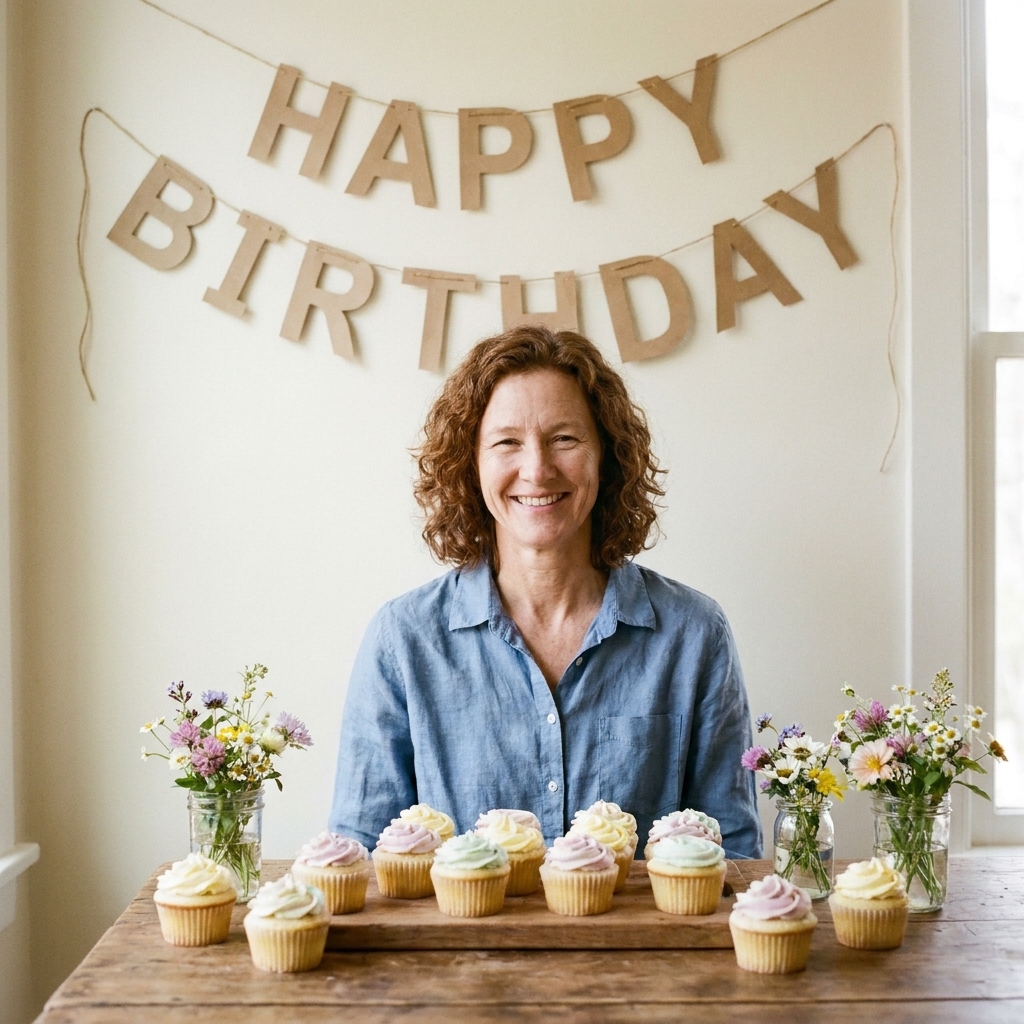
Pairing words
If you love the feeling of “joy” but need a little more context, pair it with an anchoring word:
- Joy + together: Joy Together, Together is Joy
- Joy + welcome: Welcome with Joy
- Joy + gratitude: Joy and Gratitude
If you love “happiness,” add a clarifier that makes it feel lived-in:
- Happiness + home: Home Is Happiness, Happiness Lives Here
- Happiness + time: Years of Happiness, A Lifetime of Happiness
- Happiness + people: Your Happiness Matters, Happiness Is Better Shared
For more ideas on building phrases that do not wobble into cliché, browse Word Meanings or keep a list of go-to phrasing patterns in Quotes and Sayings.
Mini FAQ
Is joy stronger than happiness?
Not stronger, just sharper in how it lands. Joy reads like a bright note. Happiness reads like a steady chord. On a banner, sharper can feel stronger because it lands fast.
Can I use both on the same backdrop?
Yes, and it can be lovely if you assign them different jobs. Make joy the headline and happiness the supporting sentiment.
- JOY
- Wishing you a lifetime of happiness
What if my style is minimalist?
Minimalist decor often favors short, punchy words. “Joy” usually fits that look more easily. If you want “happiness” in a minimalist style, choose a clean font, give it breathing room, and keep the rest of the design quiet.
The bottom line
Use joy when you want the room to feel bright, immediate, and shared. Use happiness when you want the message to feel lasting, personal, and full-bodied.
And if you are stuck between them, here is my favorite tiebreaker: choose the word that sounds most like you. Your best decor is not the trendiest phrase. It is the one your friends can hear in your voice.