

I have a soft spot for words that get flattened in translation. “Hygge” is one of them. Somewhere between Pinterest boards and candle marketing, it started to mean “blanket + cocoa,” full stop. But the real Danish sense of hygge is more social, more intentional, and honestly more helpful when you are trying to write a tiny tag for a handmade piece that took you weeks.
If you knit, crochet, quilt, or sew winter items, your project tag is a miniature “welcome.” It does not just list fiber content and washing instructions. It sets a mood. In this article, I will translate hygge into practical language you can actually print on a custom care label without accidentally promising an entire Danish lifestyle in 12 characters.
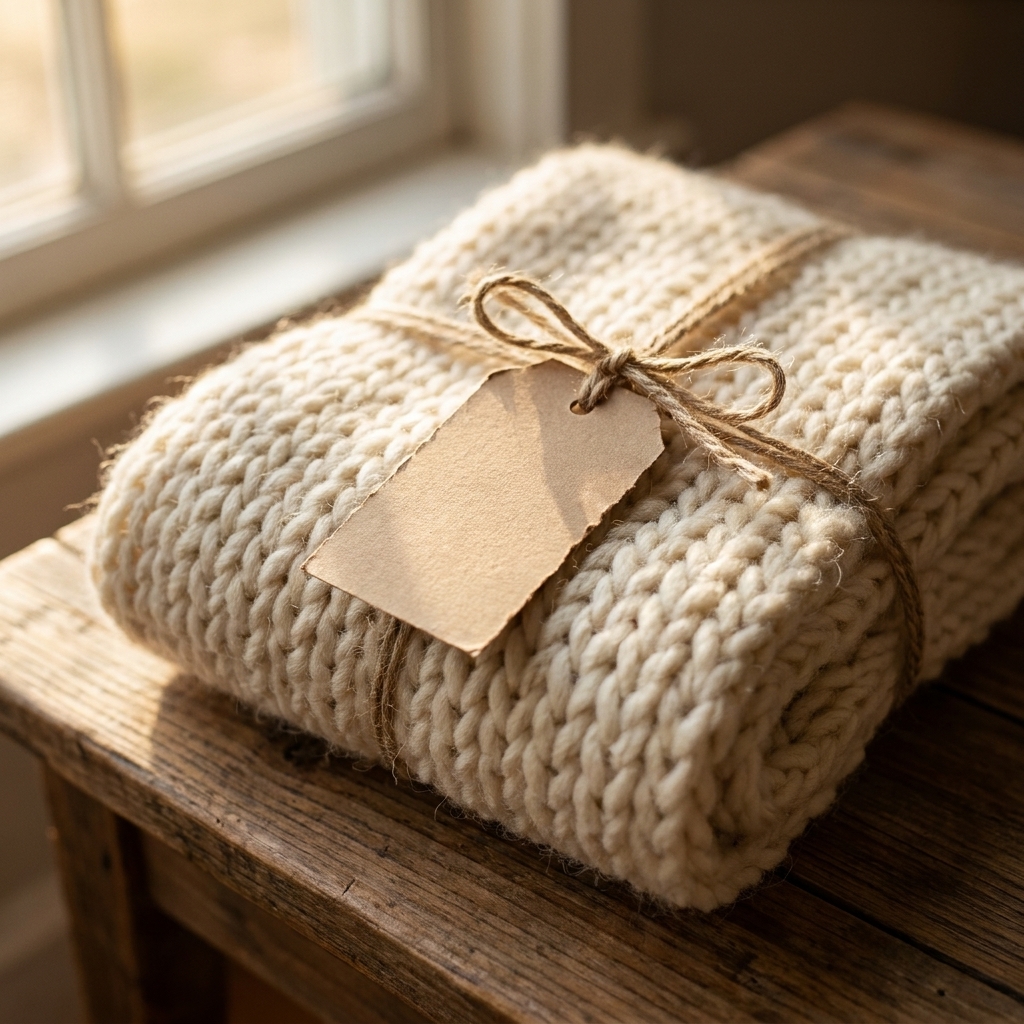
What hygge means
Hygge is a Danish word that points to a feeling of comfort and ease, usually shared. It is the warmth of being safe and unhurried, the quiet pleasure of simple things, and the sense of belonging that shows up when nobody is performing.
You will see the pronunciation written a few different ways in English. Many people say something like “HUE-guh” or “HOO-guh,” and it varies a bit by accent. The important part, for our purposes, is the meaning.
In other words, hygge is not just “cozy decor.” It is coziness plus connection, often with a dash of modesty and everydayness. Think: wool socks, yes, but also soup on the stove because someone is coming over. A small gathering where nobody needs to impress. A lamp on in the window in winter because you want the street to feel friendlier.
Why it matters for a tag
When you put “hygge” on a label, you are using a culturally loaded word as a promise. That is fine, but it helps to pair it with supporting words that clarify what you mean: warmth, comfort, calm, care, hand-knit, made to last, made for slow days.
If you want more wording ideas, you can also explore our main hub at Word Meanings.
Hygge vs. cozy
“Cozy” is a close cousin, but not a perfect twin.
- Cozy: physical comfort. Soft textures. Warmth. Snugness.
- Hygge: physical comfort and emotional ease. Safety. Togetherness. Contentment. The feeling that you can exhale.
So if your label only has room for one English word, “cozy” works. But if you have room for a second line, add a word that hints at the human side: “cozy and comforting,” “cozy for slow evenings,” “warmth you can live in.”
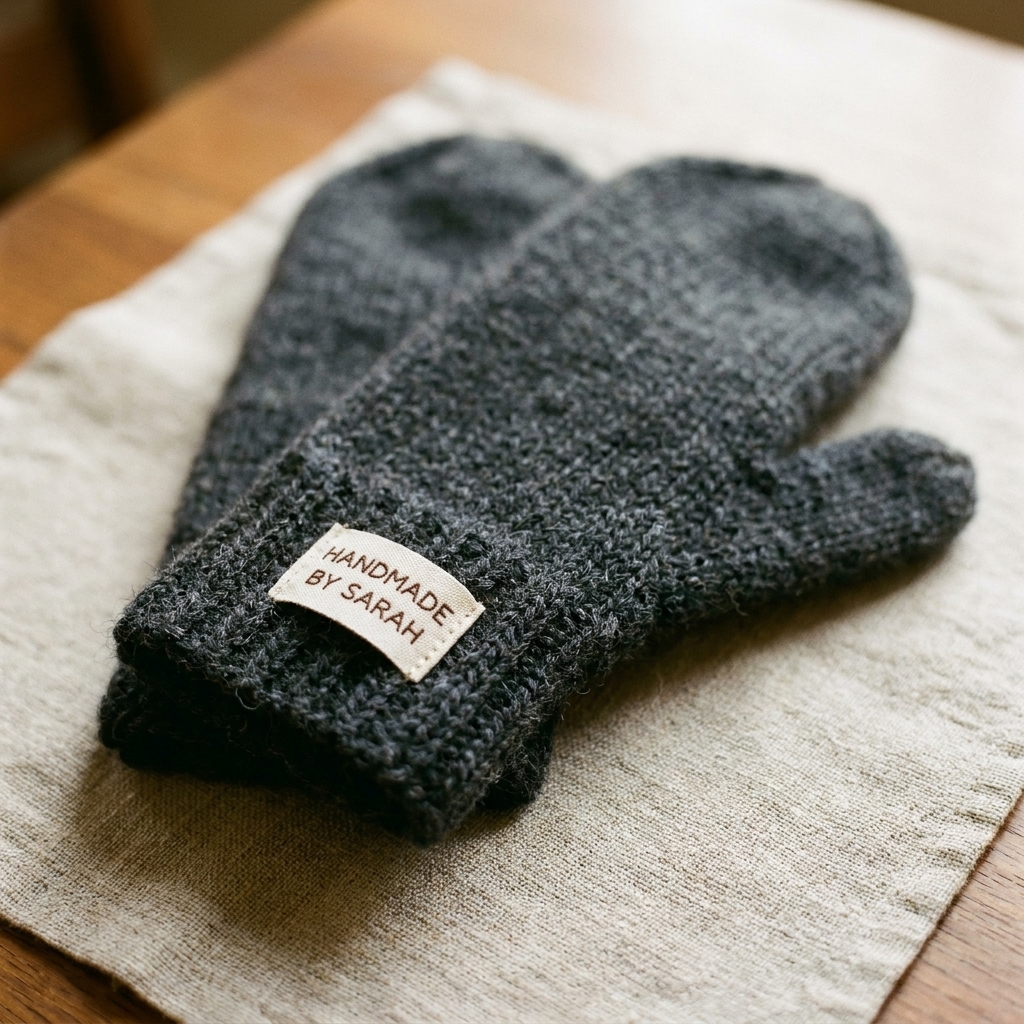
Words that fit on tags
Project tags have a hard job: tiny space, big feeling. Here are words that carry hygge energy without sounding like a trend headline. Pick one or two, then keep the rest of the tag practical.
Warmth words
- Warm
- Toasty (playful, informal)
- Winter-ready
- Cold-weather favorite
- Layer-friendly
Comfort words
- Comfort or comforting
- Soft
- Snug (good for hats, mittens, cowls)
- Gentle (great for sensitive skin, baby knits)
- Cozy
Calm words
- Unhurried
- Slow-made
- Quiet comfort
- Simple joys
- Restful (nice for socks, lounge wraps)
- Settle in (friendly, inviting)
Togetherness words
- Gather
- Shared warmth
- Made for evenings in
- For fireside chats (even if the “fire” is a space heater)
- Home feeling
- Welcoming
Care and craft words
- Handmade
- Hand-knit or hand-crocheted
- Made with care
- Thoughtfully made
- Wear often (a sweet, low-pressure blessing)
Short phrases for labels
Below are tag-ready lines that nod to hygge while staying grounded. Mix and match with your washing instructions.
One-liners
- For cozy days
- Warmth, made by hand
- Soft comfort for winter
- Made for slow mornings
- Home feels like this
- Settle in and stay warm
Two-line ideas
- Hygge inside
Handle with care - Hand-knit comfort
Cold wash, lay flat - Made for evenings in
Avoid high heat - Warm and woolly
Gentle wash recommended
Gift tag lines
- A small piece of warmth
- For your coziest season
- Made to be lived in
- May this keep you company
If you also write tiny signs for craft fairs or market displays, you might like Write Clear Words for a Small Sign. The same “few words, big job” principle applies.
Use “hygge” well
You do not need to ban the word. You just want to anchor it.
1) Pair it with a concrete detail
- “Hygge ready. 100% wool.”
- “A hygge knit for winter walks.”
- “Hygge, hand-knit, and made to last.”
2) Make it a quiet subtitle
If your brand voice is minimalist, try:
- Front: “Hand-knit beanie”
Back: “Hygge for cold days”
3) Skip it on ultra-technical tags
If your label is primarily compliance and care, “hygge” may feel out of place. In that case, choose a single plain-English mood word like “cozy” or “warm,” and let the item do the rest.
Care wording that stays clear
I have helped enough makers write descriptions for festival booths to know this: the caring tone and the clear instructions can absolutely coexist. Here are a few care phrases that stay gentle but specific.
- Hand wash cold (often best for non-superwash wool and delicate blends)
- Wash cold, gentle cycle (common for many superwash wools, but check your yarn label)
- Lay flat to dry
- Reshape while damp
- Do not wring
- Avoid tumble drying
- Keep away from direct heat (radiators, heaters, high dryer heat)
- Store folded to prevent stretching (especially for sweaters and long scarves)
Tip: “Cold wash, lay flat” is a common care line for many wool knits, but it is not universal. Fibers behave differently, dyes can run, and some items have structure that needs special handling. If in doubt, test-wash your swatch or follow the yarn manufacturer’s care guidance for that fiber blend.
Label basics to remember
A quick, practical note: requirements vary by country and by how you sell. In some places, labels for items you sell may need basics like fiber content, country of origin, and manufacturer details. Even when it is not required, fiber content and clear care are a kindness, especially for gifts and sensitive skin.
Full tag examples
If it helps to see it all together, here are a few “front mood, back facts” samples you can adapt.
Beanie
- Front: Hand-knit beanie
Back: 100% wool. Hand wash cold. Lay flat to dry.
Scarf
- Front: Made for slow mornings
Back: Wool blend. Cold wash gentle. Lay flat. Avoid tumble drying.
Baby blanket
- Front: Gentle comfort
Back: Cotton blend. Wash cold. Lay flat to dry. Reshape while damp.
Wool socks
- Front: Hygge warmth
Back: Superwash wool blend. Wash cold gentle. Lay flat. Avoid high heat.
Notice how the mood line does not have to work too hard. One calm phrase is enough, then the back does the responsible part.
Danish-flavored alternatives
If you love the Scandinavian feel but want options besides hygge, here are a few related concepts you might see referenced. These are not direct synonyms, so use them only if they match what you mean.
- Lykke: happiness, often the everyday kind. Works for gift tags more than care labels.
- Tryg or tryghed: safety, security, feeling safe. Beautiful concept, but harder to recognize on a small tag unless you explain it.
- Samvær: togetherness, being in one another’s company. Great meaning, not very tag-friendly for most audiences.
In practice, for English-speaking customers, it is usually best to keep the Danish to one familiar word and let the rest be plain language.
Quick tag formulas
When you are staring at a tiny label template and your brain goes blank, use one of these in your head, then write the final text in your brand voice.
- Item + mood: “Hand-knit socks for slow mornings.”
- Mood + material: “Cozy warmth in wool.”
- How it was made + why: “Slow-made for long winters.”
- Care + kindness: “Gentle wash. Treat it like a favorite.”
For more general phrasing help across projects, my evergreen starting point is our Word Meanings guide, where I keep adding language notes as I find them.
FAQ
Is it okay to put “hygge” on items I sell?
Usually, yes, as long as you use it respectfully and accurately. Hygge is a common Danish word and not something anyone owns as a concept. That said, specific brand uses of the word can be trademarked in certain places and product categories, so if you are building a brand name around it, it is worth doing a quick check in your market.
What is the closest English word to hygge?
“Cozy” is closest for physical feel, and “comfort” is close for emotional tone. “Coziness” alone can miss the togetherness element that many Danes consider central.
What words fit best on very small woven labels?
Choose one of these: “cozy,” “warm,” “comfort,” “hand-knit,” “made with care.” If you want the hygge nod, “hygge” plus one support word is often enough: “hygge comfort,” “hygge knit,” or “hygge warmth.”